
In Shia tradition, the 40th day after a death is a time of communal mourning — a milestone that brings family and community together to grieve and remember. On Tuesday, that tradition played out on a national scale in Iran, as thousands attended ceremonies for those killed in recent protests. It was a day of grief, anger, and memory in a country already stretched thin by political and economic pressure.
President Pezeshkian attended one such ceremony in Mashhad and was visibly moved — described as appearing broken as he stood before the photographs of the dead. Supreme Leader Khamenei offered a limited acknowledgment of the deaths, saying that some bystanders had been killed. Neither statement offered justice, accountability, or comfort to families who lost loved ones.
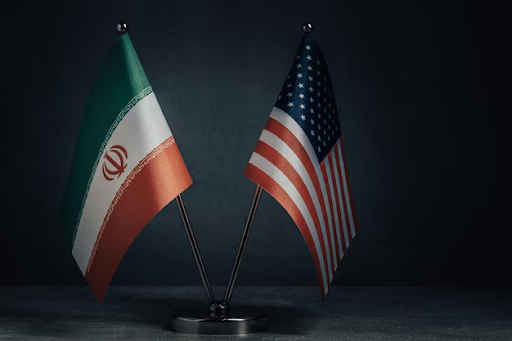
Meanwhile, in Geneva, Iran’s foreign minister declared that nuclear talks with the United States had been “more constructive” than the first round and that both sides had agreed on guiding principles. Araghchi spoke of exchanging written proposals and scheduling a third meeting in two weeks. The diplomatic progress was real, if incremental.
The juxtaposition — mourning at home, diplomacy abroad — is not incidental. It reflects the dual pressures that define Iran’s current moment: a government seeking international legitimacy and economic relief through negotiation while simultaneously facing a population that is grieving, angry, and increasingly organized in its demands for change.
The national salvation front, formed around democratic transition principles associated with the long-detained former Prime Minister Mousavi, represents one expression of that organized demand. The security services have moved against it. But the 40th-day ceremonies suggest that grief, when it becomes collective and public, carries a power that is not easily suppressed.