
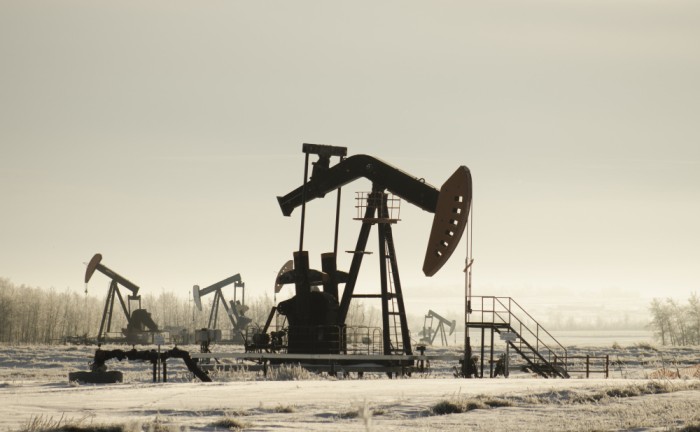
On Friday, oil prices experienced a significant drop of over 2 percent, marking their most substantial weekly decline since April. This downturn comes as global markets responded to reports suggesting a potential accord between the United States and Iran. The agreement, still under review by Tehran, could see an extension of the current ceasefire and the easing of shipping restrictions through the critical Strait of Hormuz.
Brent crude futures fell to approximately $92 per barrel, and U.S. West Texas Intermediate (WTI) crude dipped below $88 per barrel. These figures represent the lowest levels for both benchmarks since mid-April, with Brent decreasing by about 11 percent over the week and WTI shedding more than 9 percent. The prospect of improved oil flow through this pivotal energy corridor has eased some supply disruption concerns that had previously driven up prices amid the ongoing conflict.
Analysts are closely monitoring the unfolding situation with the U.S.-Iran discussions, as many traders are adjusting their positions in response to the price shifts. Despite the recent decrease, some industry forecasts indicate that oil prices might stay high if shipping disruptions continue over a long period. Although uncertainty lingers, the tentative understanding between Washington and Tehran has brought a measure of optimism to the market, even as shipping activity remains below pre-conflict levels.
In a related development, Saudi Arabia is anticipated to reduce its official selling prices for crude oil exports to Asia for the second month in a row. This decision reflects weaker demand and a decrease in spot market premiums. Asian buyers, in particular, have shown subdued interest, despite the existing supply concerns in the Middle East. The region’s demand shift is shaping the pricing strategies of major oil producers.
Recent data from the United States also indicate a drop in crude oil, gasoline, and distillate inventories, which underscores stronger domestic demand and active refinery operations. This domestic activity contrasts with the broader global trends influenced by geopolitical developments and market speculations surrounding the potential U.S.-Iran deal.