
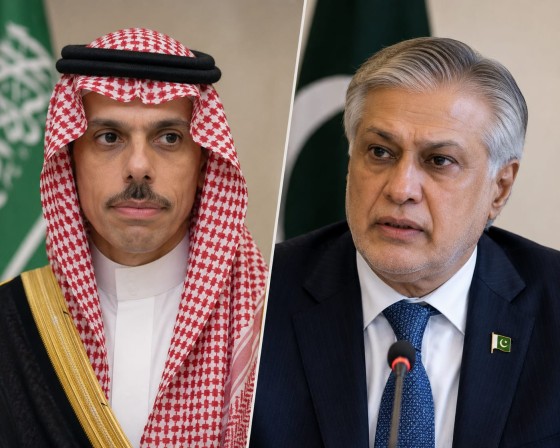
In a recent phone conversation, Saudi Foreign Minister Prince Faisal bin Farhan and Pakistan’s Deputy Prime Minister and Foreign Minister Ishaq Dar discussed the ongoing diplomatic dialogue between the United States and Iran, expressing optimism about the recent advancements in the negotiations. Both ministers highlighted the positive trajectory of the discussions taking place in Doha, voicing their hope for a peaceful and comprehensive resolution to the prevailing regional tensions.
The talks, facilitated by Qatar, have reportedly made significant progress, particularly on issues linked to the memorandum that concluded the US-Iran conflict in June. This agreement, which was mediated by Qatar and Pakistan, successfully established a 60-day ceasefire, setting a foundation for continued diplomatic engagement aimed at fostering regional stability.
Prince Faisal and Ishaq Dar emphasized the importance of maintaining the momentum of these negotiations, recognizing the role they play in enhancing stability and peace in the region. Their conversation underscored a shared commitment to supporting the diplomatic process and ensuring that the progress achieved so far leads to lasting solutions.
Qatar’s role as a mediator has been crucial in bringing both parties back to the negotiating table, with the latest round of talks reflecting a significant step forward in addressing longstanding issues. The ministers expressed confidence that ongoing dialogue and cooperation could pave the way for further agreements, ultimately contributing to a more peaceful and stable Middle East.
The recent developments in the US-Iran negotiations mark a hopeful turn in diplomatic efforts, with stakeholders like Saudi Arabia and Pakistan actively engaging to support a peaceful resolution. The positive momentum generated by these talks is seen as a critical opportunity to address not only bilateral tensions but also broader regional challenges that have persisted for years.