
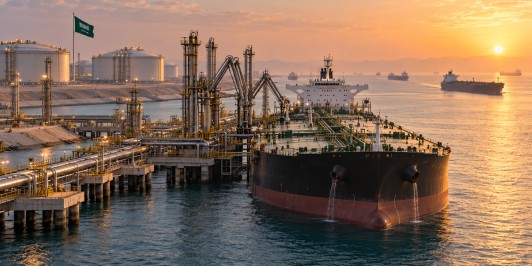
Saudi Arabia has significantly bolstered oil supplies to Asian markets by selling nearly 100 million barrels of crude oil since the middle of last week. This move comes as a relief to Asian refiners who are grappling with tighter supplies and escalating oil prices. The shipments, destined for delivery in October and November, will primarily navigate through the Strait of Hormuz, a crucial passage for global oil transportation.
This substantial sale is particularly timely as refiners in China, India, Japan, and South Korea face disruptions in oil flows from other sources. Iranian oil supplies have been severely affected, and geopolitical tensions have prompted some buyers to reduce their intake of Russian crude. In such a climate, Saudi Arabia’s increased shipments offer a temporary reprieve for these nations, which might otherwise have considered scaling back production due to limited supply options and rising costs.
The reliance on the Strait of Hormuz has increased following damage to Saudi Arabia’s East-West oil pipeline on September 10, which has restricted an alternative route to the Red Sea. Although efforts are underway to restore the pipeline’s capacity, the situation has forced Saudi Arabia to depend more heavily on the Strait for transportation.
In the current market environment, competition for crude oil from other production regions, including Africa and Latin America, has intensified. Consequently, Gulf producers are assuming more responsibility for the logistics and transportation of oil, as buyers are wary of arranging shipments through areas with potential security threats.
The additional oil supplies from Saudi Arabia are crucial for the energy security of Asian nations. By addressing the immediate supply concerns, these shipments help stabilize the market and ensure that refiners in the region can maintain operations without further disruptions.