
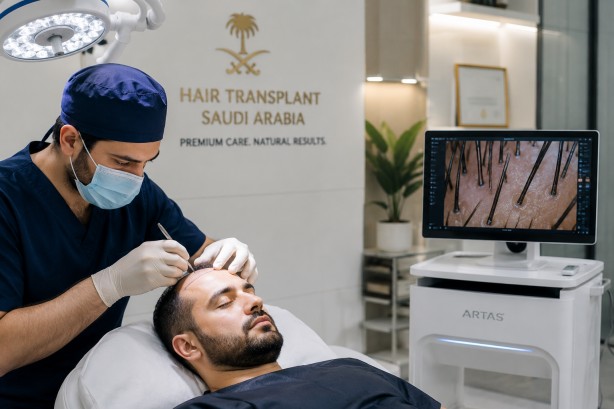
In Saudi Arabia, the landscape of hair restoration services is witnessing a significant transformation as patients begin to value clinical expertise, personalized treatment plans, and long-term outcomes over the allure of luxury marketing. Across the Gulf region, there is a growing consciousness among patients who now assess providers based on crucial factors such as hairline design, donor area management, graft placement, recovery strategies, and post-procedure care. This shift signifies a broader trend towards evidence-based and patient-centered aesthetic healthcare, according to industry experts.
Patients are increasingly expecting natural-looking results that integrate seamlessly with their existing hair while conserving donor resources for future use. Healthcare providers respond to this demand by emphasizing transparent consultations, managing realistic expectations, and crafting individualized treatment strategies. The focus on achieving authentic results reflects a desire for procedures that not only enhance appearance but also respect the long-term health and sustainability of the patient’s hair.
Advanced techniques in hair restoration are gaining traction as clinics prioritize precision planning, tissue preservation, and careful graft handling to enhance patient outcomes and minimize recovery time. The emphasis on these sophisticated methods highlights the industry’s commitment to improving the procedural experience for patients. Education is also becoming an integral component of the treatment journey, offering patients a clearer understanding of available procedures, anticipated results, and recovery processes before they make decisions.
As the demand for aesthetic procedures continues to rise in Saudi Arabia, the hair transplant sector is increasingly characterized by its focus on clinical quality, structured aftercare, and personalized treatments rather than promotional claims or luxurious branding. This evolution underscores a pivotal movement towards prioritizing patient welfare and tangible results over superficial marketing strategies.
Legal Disclaimer: The information contained in this article has been provided by independent third-party contributors, clients, or content partners. We do not independently verify the accuracy, completeness, legality, ownership, licensing, or reliability of submitted content, including text, images, videos, trademarks, or other media materials. The submitting party is solely responsible for ensuring that all content, including images and media assets, complies with applicable copyright, trademark, licensing, and intellectual property laws. We disclaim liability for any unauthorized use of copyrighted or proprietary materials by third parties. If you believe that any content published on this platform infringes your intellectual property rights, kindly contact the author above for prompt review and resolution.