
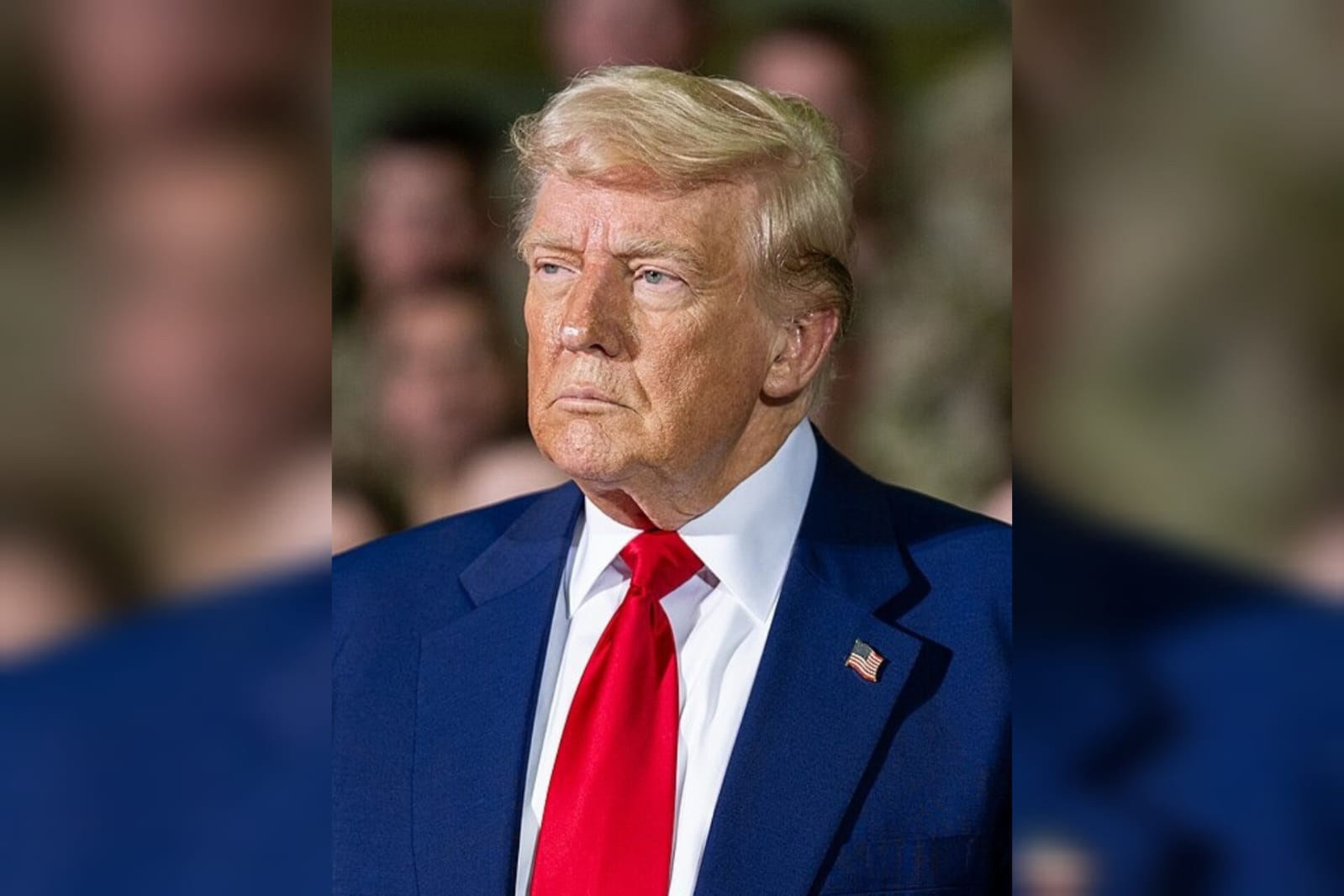
The recent memorandum of understanding signed between U.S. President Donald Trump and Iran has sparked a range of reactions worldwide. While some global leaders see it as a potential path toward de-escalating tensions, critics are concerned it offers Tehran substantial concessions without concrete assurances on curbing its nuclear program. Pakistani Prime Minister Shehbaz Sharif commended the agreement, highlighting the pivotal role of diplomacy and noting that it could lead to the reopening of the Strait of Hormuz and further negotiations between the U.S. and Iran. The G7 leaders echoed this sentiment, viewing the agreement as a critical opportunity to prevent Iran from acquiring nuclear weapons and to restore stability in global energy markets.
According to the agreement’s terms, Iran has committed to reopening the Strait of Hormuz, a strategic waterway crucial for global oil transportation. In exchange, the U.S. will relax certain sanctions on Iranian oil exports, petroleum products, and related banking services. Over the next 60 days, both nations will engage in negotiations concerning Iran’s nuclear program and its stockpile of highly enriched uranium. This development has been met with a mixed reception globally, reflecting differing perspectives on its implications for regional and international security.
In Israel, the agreement has faced significant criticism. Political leaders and former officials have expressed concerns that easing economic pressure on Iran could empower the nation without ensuring substantial restrictions on its nuclear activities. Some opposition figures have also voiced discontent, claiming that the Israeli government was marginalized during the negotiation process. Analysts in Israel have warned that this deal might lead to heightened security challenges for the country.
Reactions within the United States vary as well. Some Republican lawmakers, albeit cautiously, support the diplomatic efforts, recognizing the reopening of the Strait of Hormuz and the potential reduction in hostilities as positive developments. Conversely, several Democratic leaders and other critics argue that the agreement grants Iran economic advantages while only providing vague commitments regarding its nuclear agenda. President Trump has hailed the deal as a significant victory for the United States, while Iranian officials have framed it as a testament to their successful negotiating tactics.