
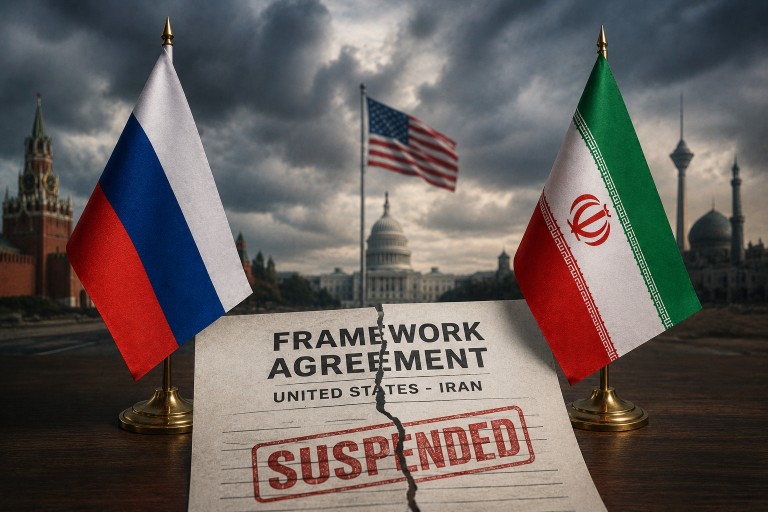
Iran has declared its framework agreement with the United States null and void, citing alleged breaches by Washington. This announcement comes amid heightened regional tensions, as detailed by Deputy Foreign Minister Kazem Gharibabadi. According to Gharibabadi, Tehran took this step to focus on self-defense, accusing the U.S. of not honoring its commitments under the Islamabad declaration of intent.
The framework deal, which was established in mid-June, aimed to pave the way for a lasting resolution to hostilities between the two nations. It outlined a plan for negotiations on a final agreement within a 60-day period and included stipulations regarding the reopening of the strategic Strait of Hormuz. However, with recent developments, Iranian officials have stated that they no longer feel obliged to adhere to the agreement’s terms.
A ceasefire had been in place since early April, offering a brief respite from conflict. Despite this, tensions began to rise again in early July, leading to renewed hostilities and threatening the fragile diplomatic progress. The escalation has been a significant setback to efforts intended to stabilize relations between Iran and the United States.
The suspension of the framework agreement underscores the challenges facing both countries as they navigate their contentious relationship. The situation remains complex, with regional dynamics adding further layers of difficulty to diplomatic negotiations. As Iran distances itself from the agreement, the path to a peaceful resolution appears increasingly uncertain.