
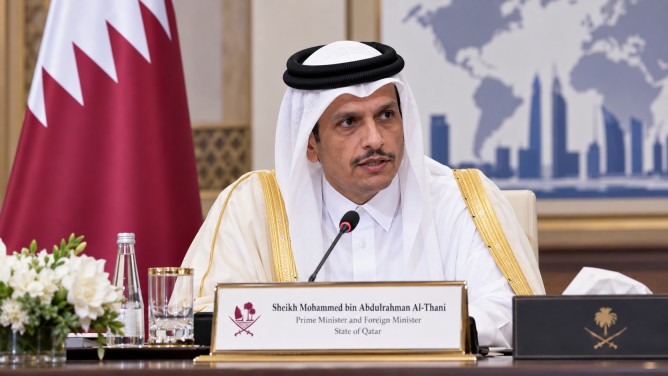
Qatar has voiced strong condemnation of the recent Houthi attacks on civilian and economic sites in southern Saudi Arabia. This statement of solidarity with Saudi Arabia comes as the nation stands firm in its support for the Kingdom’s efforts to safeguard its security and sovereignty. The condemnation was relayed by Qatari Prime Minister and Foreign Minister Sheikh Mohammed bin Abdulrahman Al-Thani during a phone conversation with Saudi Foreign Minister Prince Faisal bin Farhan. In addition to the condemnation, the two leaders exchanged views on regional developments and diplomatic initiatives aimed at easing tensions and ensuring stability in the region.
The targeted attacks affected areas such as Abha, Khamis Mushait, Jazan, and Najran, resulting in injuries to 73 civilians, among them women and children. Furthermore, some energy facilities experienced temporary disruptions due to these attacks. In response, Qatar has described the actions as a dangerous escalation, infringing on Saudi sovereignty and breaching international law. The Qatari government has urged the international community to respond more robustly to these attacks and to support the enforcement of UN Security Council resolutions related to Yemen and the security of the Red Sea region.
As tensions continue to rise between the Houthis and forces backed by Saudi Arabia, the potential for broader conflict has become a significant concern. The Houthis, who maintain control of Sanaa and vast areas of northern Yemen, have escalated their assault on Saudi territories and vessels operating in the Red Sea. Meanwhile, forces aligned with the Yemeni government have intensified their military operations against regions under Houthi control, further complicating the already volatile situation.
The international community is being called upon to take decisive action to address these escalating tensions and to work towards a peaceful resolution. The situation has underscored the urgent need for diplomatic efforts and international cooperation to prevent further destabilization of the region. As the conflict shows signs of intensifying, the calls for peace and adherence to international resolutions become ever more critical.